Automobile Code Reader: Your Key to Vehicle Diagnostics
Your car is a complex machine, and when that check engine light pops on, it can feel like a mystery. But what if you could quickly and easily understand what your car is trying to tell you? That’s exactly what an automobile code reader, also known as an OBD-II scanner, allows you to do. It’s a handy device that plugs into your car’s diagnostic port and translates those cryptic error codes into plain language, helping you figure out what’s going on under the hood without an immediate trip to the mechanic.
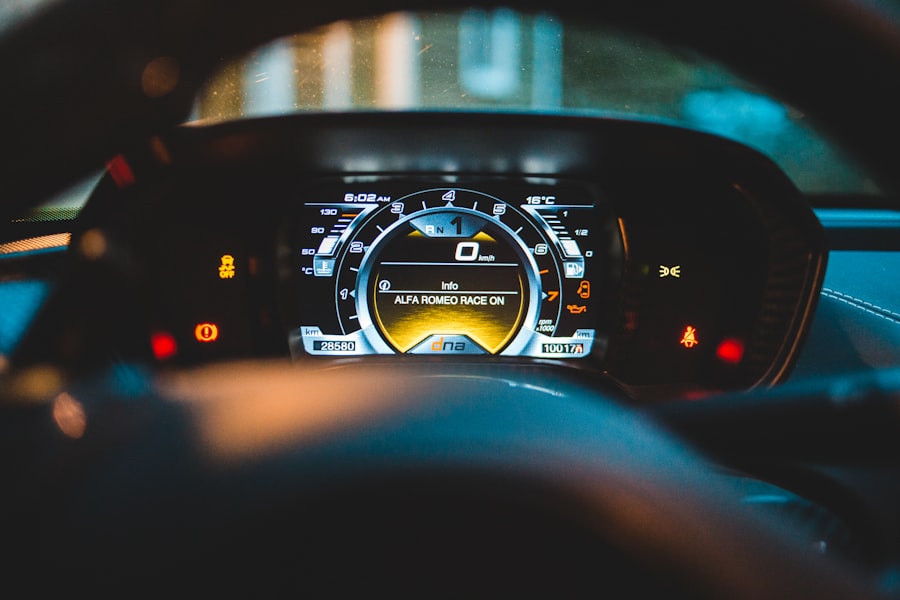
That little amber light on your dashboard, often shaped like an engine, is your car’s way of saying, “Hey, something’s not quite right.” It’s officially called the Malfunction Indicator Lamp (MIL), and it’s part of your car’s On-Board Diagnostics (OBD) system.
What Triggers It?
The check engine light can be triggered by a wide range of issues, from something as simple as a loose gas cap to more serious problems like a failing catalytic converter or engine misfires. It doesn’t pinpoint the exact problem itself; instead, it signals that the car’s computer (the Engine Control Unit or ECU) has detected an anomaly.
Why You Shouldn’t Ignore It
Ignoring the check engine light is generally not a good idea. While some issues might seem minor, others can lead to further damage to your vehicle, reduced fuel efficiency, or even safety hazards. A code reader helps you determine the urgency and severity of the problem.
What is an Automobile Code Reader?
At its core, an automobile code reader is a diagnostic tool that communicates with your car’s OBD-II system. It reads diagnostic trouble codes (DTCs) that the car’s computer stores when it detects a fault.
The OBD-II Standard
All cars sold in the United States since 1996 (and most globally) are equipped with OBD-II (On-Board Diagnostics, Second Generation). This standardized system allows external devices to access information about the vehicle’s engine, transmission, and other components. This standardization is key because it means a single code reader can work with virtually any modern car.
Types of Code Readers
There are a few main types of code readers, each with different features and price points.
Basic Code Readers
These are the simplest and most affordable. They typically just read and clear generic fault codes (P0 codes) and display their definitions. They’re good for quickly identifying basic issues.
Mid-Range Scanners
These offer more functionality, including reading manufacturer-specific codes (P1 codes), live data streaming (seeing sensor readings in real-time), and sometimes more advanced features like battery testing or oil light reset.
Professional Diagnostic Scanners
These are used by mechanics and offer the most comprehensive features. They can perform advanced functions like bidirectional control (sending commands to car components), coding and programming modules, and detailed graphical displays of data. These are often much more expensive and require more technical knowledge to operate.
Bluetooth/Wi-Fi OBD-II Adapters
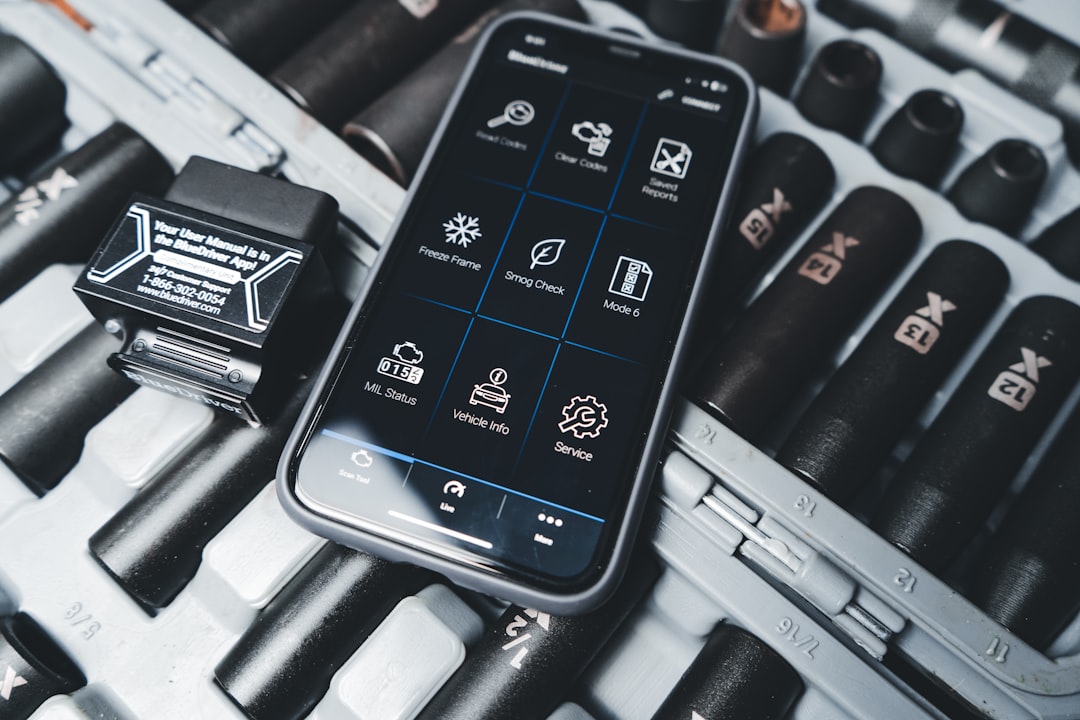
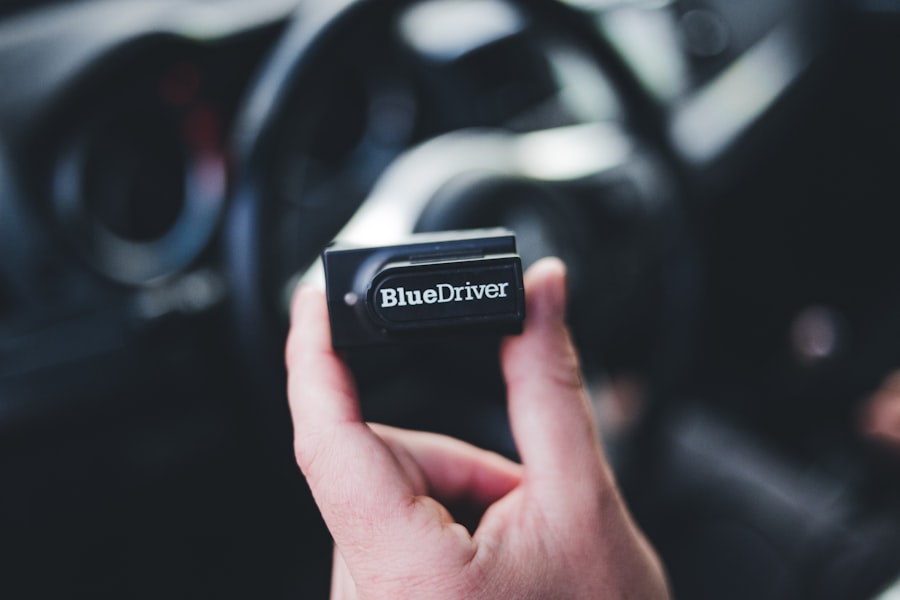
These are increasingly popular. They’re small dongles that plug into your car’s OBD-II port and connect wirelessly to your smartphone or tablet via Bluetooth or Wi-Fi. You then use a dedicated app to read codes, view live data, and sometimes perform other functions. This offers a great balance of functionality and affordability for many car owners.
How a Code Reader Works
The process of using a code reader is fairly straightforward, making it accessible to most car owners.
Locating the OBD-II Port
The first step is finding the OBD-II port in your car. It’s typically located within 3 feet of the steering wheel, usually under the dashboard on the driver’s side. Common locations include below the steering column, near the center console, or sometimes behind an ashtray or coin holder. Consult your car’s owner’s manual if you can’t find it.
Connecting the Device
Once located, simply plug the code reader’s cable into the port. If you’re using a Bluetooth or Wi-Fi adapter, plug it in and then pair it with your smartphone or tablet according to the adapter’s instructions.
Reading the Codes
Turn your car’s ignition to the “ON” position (you don’t usually need to start the engine, though some functions might require it). The code reader will power on and establish communication with your car’s ECU. Follow the on-screen prompts to select “Read Codes” or a similar option. The device will then display any stored Diagnostic Trouble Codes (DTCs).
Interpreting the Codes
DTCs are standardized alphanumeric codes. They usually start with a letter followed by four numbers.
- P (Powertrain): Relates to the engine, transmission, and associated emissions systems. This is the most common type of code you’ll encounter.
- B (Body): Relates to body functions like airbags, power steering, central locking, and electrical systems.
- C (Chassis): Relates to the chassis, including ABS, traction control, and steering.
- U (Network Communication): Relates to communication between vehicle modules.
The first digit after the letter indicates if the code is generic or manufacturer-specific:
- 0: Generic code (e.g., P0171 – System Too Lean)
- 1: Manufacturer-specific code (e.g., P1xxx – codes specific to your car brand)
The next three digits further specify the system and fault. For example, P0420 often indicates a catalytic converter issue. Most code readers will provide a brief description of the code directly on the screen. If it doesn’t, you can easily look up the code online for more detailed explanations.
Clearing Codes (With Caution)
Many code readers offer the ability to “clear” the codes, which also turns off the check engine light. While tempting, it’s crucial to understand why you should use this function cautiously. Clearing codes essentially erases the stored fault history from the car’s computer.
When to Clear Codes
- After a Repair: Once you’ve fixed the underlying issue, clearing the codes confirms the repair and resets the system.
- Intermittent Issues: If you’re certain a code was triggered by a temporary glitch (e.g., a loose gas cap that you’ve since tightened), you can clear it to see if it reappears.
- Testing: Mechanics might clear codes as part of a diagnostic procedure to see which codes return first.
When NOT to Clear Codes
- Before Diagnosis: Don’t clear codes before you’ve had a chance to read and record them. Clearing them removes valuable information that a mechanic might need for diagnosis.
- Without Addressing the Cause: Clearing a code without fixing the problem is like turning off a smoke alarm when your house is still on fire. The light will likely come back on, and you haven’t solved anything.
Benefits of Owning a Code Reader
For any car owner, a code reader offers practical advantages that can save you time, money, and stress.
Quick Diagnosis and Peace of Mind
Instead of guessing what that check engine light means, you can get an immediate answer. This helps determine if it’s a critical issue requiring immediate attention or something less urgent. Knowing the problem can alleviate anxiety and help you plan your next steps.
Saving Money on Diagnostic Fees
Many repair shops charge a diagnostic fee just to plug in a scanner and read the codes – often $50 to $100 or more. Owning your own reader means you can perform this initial step yourself, potentially saving that fee for minor issues or confirming a diagnosis before heading to the shop.
Informed Conversations with Mechanics
When you know the specific codes, you can have a more informed discussion with your mechanic. You’re less likely to be upsold on unnecessary repairs if you already understand the nature of the problem. You can ask targeted questions and challenge recommendations if they don’t align with the codes you’ve read.
Monitoring Vehicle Health
Beyond just trouble codes, many code readers, especially the mid-range and app-based ones, can display live data. This includes things like engine RPM, coolant temperature, fuel pressure, oxygen sensor readings, and more. This allows you to:
Spot Potential Problems Early
By regularly checking live data, you might notice trends or subtle changes in sensor readings that could indicate a problem developing before the check engine light even comes on.
Verify Repairs
After a repair, you can use the code reader to ensure the problematic sensor is now reporting correct values, or that fuel trims are back within normal range, for example.
Emissions Testing Preparation
In many areas, a car won’t pass an emissions test if the check engine light is on or if the car’s monitors haven’t completed their self-tests. A code reader can tell you if your “readiness monitors” are set. If they’re not, it means the car’s computer hasn’t finished checking all its systems since the last time codes were cleared or the battery was disconnected. This helps you avoid failing an emissions test and having to retest.
Choosing the Right Code Reader for You
| Brand | Model | Compatibility | Screen Size | Weight |
|---|---|---|---|---|
| Autel | MaxiDiag MD806 | Most OBD2 vehicles | 4 inches | 2.05 lbs |
| ANCEL | AD410 | Most OBD2 vehicles | N/A | 12.8 ounces |
| FOXWELL | NT301 | Most OBD2 vehicles | N/A | 1.05 lbs |
With so many options on the market, picking the right code reader can feel a bit overwhelming. Consider these factors.
Your Technical Comfort Level
If you’re someone who just wants to know what a code means and clear it, a basic reader or a simple app-based adapter might be perfect. If you’re comfortable with technology and want to delve into live data and more advanced diagnostics, a mid-range scanner or a feature-rich app/adapter combo would be better.
Your Budget
Prices range from around $20 for basic adapters to several hundred dollars for professional-grade scanners. Determine how much you’re willing to spend based on your needs and how often you anticipate using the device.
Desired Features
- Code Reading & Clearing: All readers do this.
- Live Data: Essential for deeper diagnostics.
- Manufacturer-Specific Codes: Important for more specific troubleshooting.
- Ease of Use: Look for intuitive interfaces and clear displays.
- Durability: If you plan to use it frequently, a sturdy build is a plus.
- Connectivity (Bluetooth/Wi-Fi): If you prefer using your smartphone.
- Updates: Can the firmware be updated for compatibility with newer vehicles or improved features?
- Battery Test/Alternator Test: Some devices include these extra functions.
Reviews and Recommendations
Before purchasing, check online reviews from other car owners. Look for devices that are well-regarded for their accuracy, ease of use, and reliability. Sometimes, specific brands are known for better compatibility with certain car makes.
Limitations and When to See a Mechanic
While a code reader is an incredibly useful tool, it’s important to understand its limitations. It’s a diagnostic aid, not a repair kit.
Codes Don’t Always Pinpoint the Exact Problem
A code often indicates a symptom or a system malfunction, not necessarily the exact faulty component. For example, a “P0420 – Catalyst System Efficiency Below Threshold (Bank 1)” code doesn’t automatically mean you need a new catalytic converter. It could be caused by a faulty oxygen sensor upstream or downstream, an exhaust leak, or even engine misfires causing raw fuel to enter the catalyst. Further diagnosis is almost always required.
Intermittent Issues Can Be Tricky
Sometimes a code appears and then disappears. This could be due to an intermittent fault that is difficult to diagnose without specialized tools or the ability to replicate the conditions under which the fault occurred.
Requires Some Mechanical Understanding
While a code reader gives you the information, understanding what that information means and how to act on it still requires some basic mechanical knowledge or the ability to research thoroughly. Knowing that your O2 sensor is reading “lean” is one thing; understanding why it’s reading lean (e.g., vacuum leak, faulty fuel injector, bad sensor) is another.
When Professional Help is Necessary
Even with a code reader, there are times when a mechanic’s expertise is indispensable.
- No Codes Present: If you have a problem but no check engine light or stored codes, a mechanic has the experience and advanced tools to diagnose the issue.
- Complex Diagnostics: For issues that require detailed testing of components, electrical diagnostics, or in-depth knowledge of specific vehicle systems, a professional is your best bet.
- Safety Concerns: If the car is unsafe to drive, don’t rely solely on a code reader; get professional help immediately.
- Beyond Your Skill Level: If the repair required is beyond your comfort or skill level, don’t hesitate to take it to a professional. Attempting complex repairs without proper knowledge can lead to more damage or safety issues.
In conclusion, an automobile code reader isn’t a magic wand that fixes your car, but it is an incredibly empowering tool. It pulls back the curtain on your car’s internal communications, providing you with valuable insights that can help you understand problems, make informed decisions, and potentially save both time and money on vehicle maintenance. It’s a worthy addition to any car owner’s toolkit, transforming that dreaded check engine light from a source of mystery into a manageable diagnostic clue.